

Horror stories usually work by placing characters in situations where they are badly outmatched. The villain is stronger, faster, and demise is nearly inevitable. Escape and survival become the central goal for the protagonist.
But successful television horror is doing something different. In a recent interview, Blumhouse’s head of television, Melissa Aouate, described their strategy moving forward to focus on genre-blending shows like Wednesday and Stranger Things. Rather than relying on pure terror, the studio is exploring the wide range of sub-genres that horror can encompass. In fact, Blumhouse research suggests there are at least 24 different sub-genres of horror.
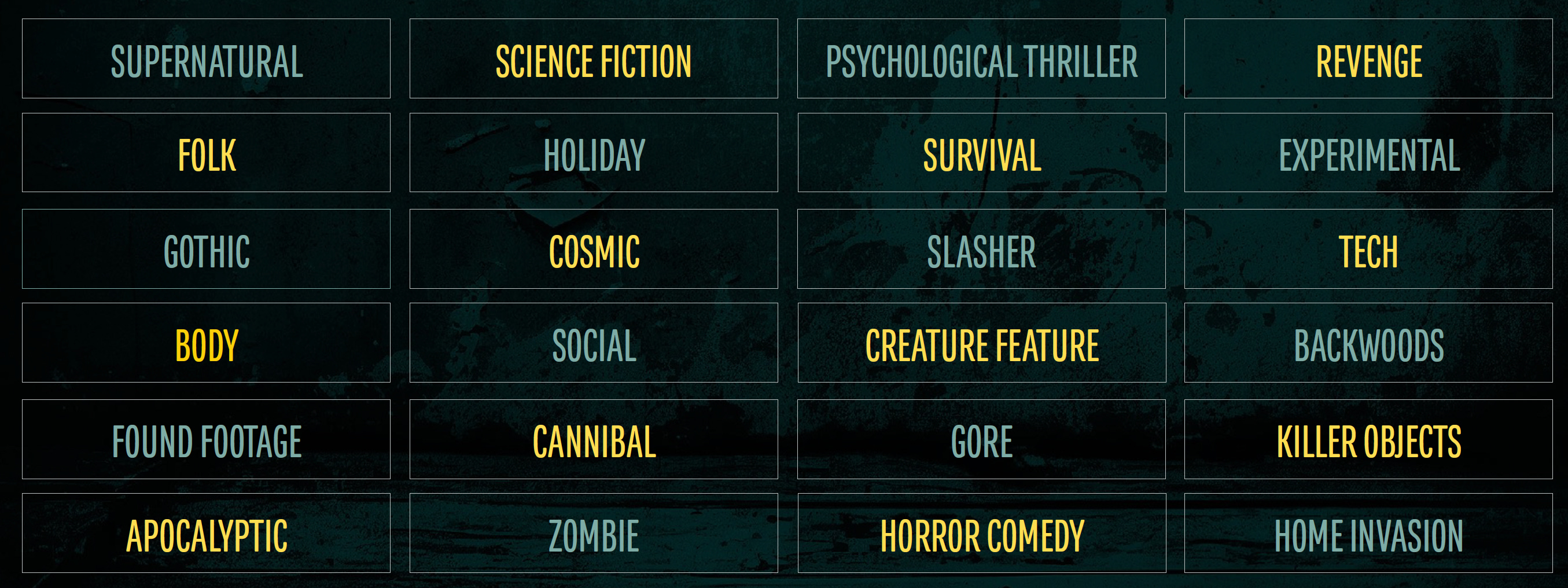
This shift makes sense. Many viewers still associate horror primarily with ghosts, slashers, and relentless dread. If someone believes they “hate horror,” they may avoid stories that could otherwise satisfy their appetite for mystery, danger, or the supernatural.
However, sub-genres are only useful to the extent they can be defined and then actioned on. To me, these sub-genres read more like themes or tonal variations rather than structural differences. They may not be the most refined guideposts for developing stories that align with a brand like Blumhouse but still reach audiences that might not otherwise be traditional horror hounds.
If you want to create a horror feeling show that doesn’t produce the terror that sometimes drives away large audiences, you need another measurement.
