
I love a good field study. There’s something that feels very real and relevant about a psychological study done “in the wild.” I suspect these will become more valorized as AI-assisted (and fully AI-produced) psychology studies become more common. They’re also much more fun to plan and conduct than sitting around waiting for faceless online participants to answer survey questions.
Field studies can also be transient, in a way. As everything moves more online and virtual, it can become difficult to study a big group of people doing a real thing in the real world. One of my favorite field studies is one that would be virtually impossible to replicate today, because brick-and-mortar movie stores aren’t really a thing anymore.
We sometimes seek out horror when we feel anxious
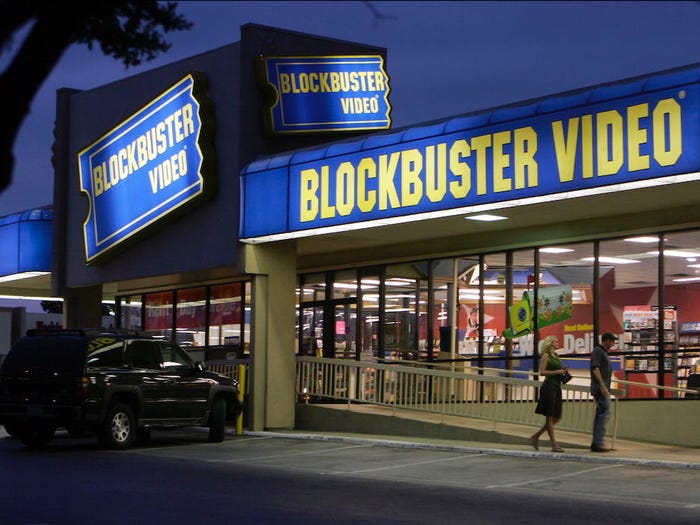
The study was rather simple: post up outside a movie rental store and poll people as they enter and exit to find out how their mood influences what entertainment they choose. The authors noted the advantages of this method compared to TV, and the argument would hold even more true in the age of streaming:
“Unlike television, where choices of programs may often be without deliberation, and contain a lot of noise (e.g., I stopped at this channel because I happened to recognize the character on the screen at the moment), video choice is more likely to reflect this mood factor, and therefore is likely to contain less noise, as a dependent measure.”
These authors were working from the framework of mood management, based on the idea that individuals unconsciously arrange their environments in a way that maximizes pleasure and minimizes pain, and maintains an optimal level of arousal. So if you’re bored, you may choose entertainment that elicits more arousal.
Seems obvious enough. But is it true?
